



















Managing resources in a large enterprise is far more complex than handling operations in a small or mid-sized business. Large organizations often have multiple departments, hundreds or even thousands of employees, ongoing projects, and significant operational costs. Without a structured approach to resource management, inefficiencies can quickly affect productivity and profitability.
This is why many organizations are investing in enterprise resource management software. As businesses continue to expand in 2026, leaders need better visibility into workforce capacity, project demands, budgets, and resource utilization. Enterprise resource management solutions help organizations gain that visibility while supporting smarter decision-making.
In this article, we will explore how enterprise resource management software benefits large enterprises and why it has become a critical part of modern business operations.
What Is Enterprise Resource Management Software?
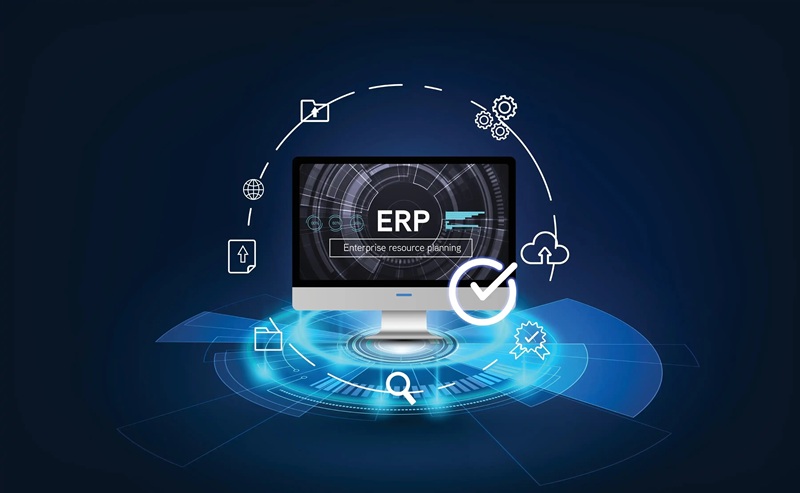
Enterprise resource management software is a business solution that helps organizations plan, allocate, monitor, and optimize resources across departments and projects.
Resources may include:
- Employees and workforce capacity
- Financial resources
- Equipment and assets
- Project budgets
- Operational resources
The software provides a centralized platform where business leaders can track resource availability, utilization, and future requirements.
Instead of managing resources through disconnected systems and spreadsheets, enterprises can gain a complete view of organizational performance from a single source.
Why Large Enterprises Need Better Resource Management
As organizations grow, managing resources becomes increasingly challenging.
Large enterprises often face issues such as:
- Workforce allocation conflicts
- Resource shortages
- Underutilized teams
- Budget inefficiencies
- Delayed project delivery
- Lack of operational visibility
Without proper planning, these challenges can increase costs and reduce productivity.
Enterprise resource management software helps organizations overcome these issues by improving coordination and creating greater transparency across the business.
Centralized Resource Visibility Across Departments
One of the biggest advantages of enterprise resource management software is centralized visibility.
Large enterprises often operate across multiple departments, locations, and business units. Each department may have different priorities and resource requirements.
Enterprise resource management software brings all resource-related information together in one platform.
Managers can quickly see:
- Available workforce capacity
- Current project assignments
- Resource utilization levels
- Departmental workload distribution
- Future resource demands
This visibility allows organizations to make informed decisions and improve operational efficiency.
Improving Resource Allocation
Resource allocation plays a major role in business success.
When resources are assigned incorrectly, projects may experience delays, teams can become overloaded, and budgets may exceed expectations.
Enterprise resource management software helps managers allocate resources based on availability, skills, and business priorities.
The system ensures that resources are distributed effectively across projects and departments.
Matching Skills with Business Needs
Large enterprises often manage employees with diverse skill sets.
The software helps identify employees with specific expertise and matches them to suitable projects or business initiatives.
This approach improves productivity while ensuring that specialized skills are utilized effectively.
Enhancing Workforce Planning
Workforce planning becomes more complex as organizations expand.
Leaders must anticipate future staffing needs while balancing current workforce capacity. Enterprise resource management software provides valuable workforce insights that support strategic planning.
The software helps organizations analyze:
- Workforce availability
- Hiring requirements
- Employee utilization
- Future staffing needs
- Skill shortages
These insights enable businesses to build stronger workforce strategies and avoid talent shortages.
Supporting Large-Scale Project Management
Many large enterprises manage multiple projects simultaneously.
Without proper resource planning, project teams may compete for the same resources, creating scheduling conflicts and operational bottlenecks.
Enterprise resource management software provides a clear overview of project resource requirements and workforce availability.
Project managers can coordinate resources more effectively and ensure that critical projects receive the support they need.
Improving Project Delivery
Effective resource planning directly impacts project performance.
Organizations that use enterprise resource management software can:
- Reduce project delays
- Improve scheduling accuracy
- Optimize workforce utilization
- Increase project success rates
This leads to better outcomes for both businesses and clients.
Reducing Operational Costs
Inefficient resource management often results in unnecessary expenses.
For example, businesses may hire additional employees while existing resources remain underutilized. Similarly, poor workforce planning can increase overtime costs and reduce productivity.
Enterprise resource management software helps organizations identify inefficiencies and improve resource utilization.
By using resources more effectively, businesses can reduce costs while maintaining operational performance.
Improving Decision-Making with Real-Time Data
Modern enterprises generate large volumes of data every day.
However, data only becomes valuable when leaders can use it to make informed decisions.
Enterprise resource management software provides real-time analytics and reporting that help managers understand workforce performance, resource utilization, and operational trends.
This data-driven approach improves strategic planning and supports better business decisions.
Access to Actionable Insights
Business leaders can monitor important metrics such as:
- Resource utilization rates
- Workforce productivity
- Capacity forecasts
- Project performance
- Budget allocation
These insights help organizations respond quickly to changing business conditions.
Strengthening Collaboration Across Teams
Large organizations often struggle with communication and coordination between departments.
Different teams may use separate systems, making it difficult to share information and collaborate effectively.
Enterprise resource management software creates a centralized environment where departments can access the same resource data and planning information.
This improves collaboration and reduces misunderstandings related to resource availability and project priorities.
Supporting Business Growth and Expansion
Growth creates new challenges for large enterprises.
As businesses expand into new markets, launch new products, or increase project volume, resource requirements also grow.
Enterprise resource management software helps organizations prepare for expansion by providing accurate forecasts and resource planning capabilities.
Leaders can evaluate future workforce needs and ensure resources are available to support growth initiatives.
Scaling Operations Efficiently
Businesses that plan resources effectively can scale operations without creating unnecessary inefficiencies.
The software helps organizations maintain productivity while managing increasing workloads and workforce demands.
This makes growth more sustainable and manageable.
Managing Workforce Utilization Effectively
Workforce utilization is a key performance indicator for large enterprises.
Overutilized employees may experience burnout, while underutilized employees can reduce overall productivity.
Enterprise resource management software helps managers balance workloads and ensure resources are used appropriately.
The system provides visibility into employee capacity and workload distribution, allowing organizations to make adjustments when necessary.
This creates a healthier work environment while improving operational efficiency.
Supporting Risk Management
Large enterprises often face risks related to workforce shortages, project delays, and resource constraints.
Enterprise resource management software helps organizations identify potential risks before they become major problems.
Managers can analyze workforce trends, capacity limitations, and project demands to develop proactive solutions.
This improves organizational resilience and supports business continuity.
Integrating with Existing Enterprise Systems
Most large enterprises use multiple business applications for human resources, finance, project management, and operations.
Enterprise resource management software integrates with these systems to provide a unified view of organizational resources.
Integration offers several benefits:
- Improved data accuracy
- Reduced manual processes
- Better reporting capabilities
- Enhanced operational visibility
This connected approach improves efficiency across the organization.
Key Features of Enterprise Resource Management Software
When selecting a solution, large enterprises should prioritize features that support complex resource planning needs.
Important capabilities include:
- Resource allocation and scheduling
- Workforce planning and forecasting
- Capacity management
- Resource utilization tracking
- Project resource planning
- Financial resource management
- Real-time reporting and analytics
- Integration with enterprise systems
These features help organizations manage resources more effectively while supporting long-term business objectives.
Future Trends in Enterprise Resource Management
As enterprises continue to adopt digital transformation strategies, resource management will become even more important.
Organizations increasingly need real-time visibility, accurate forecasting, and smarter resource planning capabilities to remain competitive.
Enterprise resource management software continues to evolve by offering deeper analytics, improved workforce planning, and enhanced collaboration features.
Businesses that invest in modern resource management solutions today will be better prepared to meet future operational challenges.
Conclusion
Large enterprises operate in increasingly complex business environments where effective resource management is essential for success. Managing workforce capacity, project demands, budgets, and operational resources requires more than manual processes and spreadsheets.
Enterprise resource management software helps organizations gain complete visibility into resources, improve allocation strategies, support workforce planning, reduce operational costs, and enhance decision-making. It provides the structure and insights needed to manage resources efficiently across large and complex organizations.
As businesses continue to grow and evolve, enterprise resource management software will remain a critical investment for organizations seeking improved productivity, stronger project outcomes, and sustainable long-term growth.