




















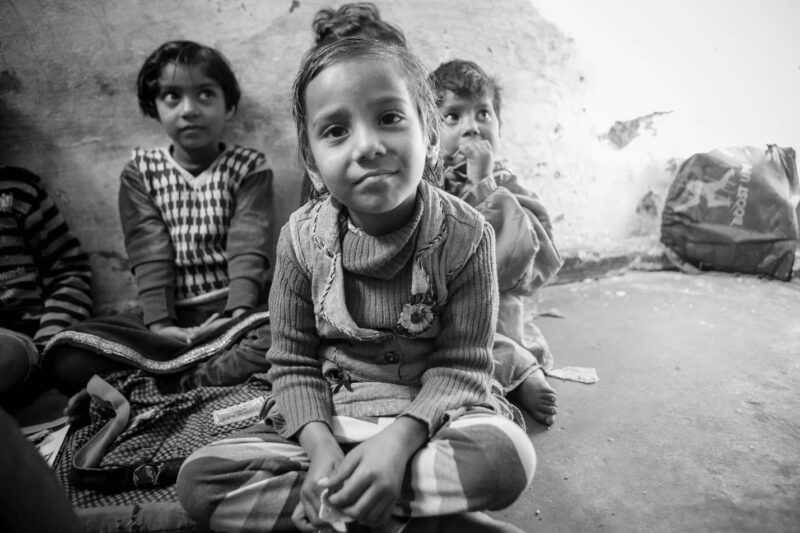
Education is one of the most powerful tools for transforming lives, reducing poverty, and promoting gender equality. Yet, despite significant progress over the years, millions of girls in India continue to face barriers that prevent them from accessing quality education. From social norms and economic challenges to safety concerns and early marriage, several factors contribute to educational inequality.
Understanding how to improve girl child education is essential for creating a society where every girl has the opportunity to learn, grow, and achieve her full potential. Organizations like CRY (Child Rights and You) are working across communities to ensure that girls receive the education and support they deserve.
Why Girl Child Education Matters
Educating girls creates benefits that extend beyond individual success.
When girls receive quality education, they are more likely to:
- Complete higher levels of education
- Secure better employment opportunities
- Earn higher incomes
- Delay early marriage
- Improve family health outcomes
- Contribute to community development
Investing in girls’ education helps build stronger families, healthier communities, and more inclusive economies.
Challenges Facing Girls’ Education in India
Before exploring how to improve girl child education, it is important to understand the obstacles many girls encounter.
Poverty
Financial hardship often forces families to prioritize immediate economic needs over education.
Gender Discrimination
In some communities, boys’ education may be given preference over girls’ schooling.
Early Marriage
Many girls drop out of school due to child marriage, limiting future educational opportunities.
Safety Concerns
Long travel distances, inadequate infrastructure, and security concerns can discourage school attendance.
Household Responsibilities
Girls are often expected to help with domestic work, reducing the time available for education.
Addressing these challenges requires coordinated efforts from families, communities, schools, governments, and non-profit organizations.
1. Encourage Equal Access to Education
One of the most effective ways to improve girl child education is by ensuring equal educational opportunities for all children.
This includes:
- Enrolling girls in school at the appropriate age
- Supporting continuous attendance
- Preventing school dropouts
- Promoting equal treatment within educational institutions
Every girl deserves the same opportunity to learn as every boy.
2. Raise Community Awareness
Social attitudes often influence educational outcomes.
Awareness programs can help communities understand:
- The value of girls’ education
- Long-term economic benefits
- The importance of gender equality
- The risks associated with child marriage
When communities recognize the importance of educating girls, enrollment and retention rates often improve.
3. Improve School Infrastructure
A safe and supportive learning environment plays an important role in educational participation.
Key improvements may include:
Separate Sanitation Facilities
Proper sanitation facilities can significantly improve attendance among adolescent girls.
Safe Learning Spaces
Schools should provide secure and welcoming environments for all students.
Adequate Classrooms and Resources
Quality infrastructure helps create better learning experiences and educational outcomes.
4. Prevent Child Marriage
Child marriage remains one of the major factors contributing to school dropouts among girls.
Efforts to prevent early marriage can help girls:
- Complete their education
- Develop essential life skills
- Access future career opportunities
- Improve long-term well-being
Education and child protection initiatives often work together to address this challenge.
5. Provide Financial Support Where Needed
Economic barriers can prevent families from keeping girls in school.
Support may include:
- Scholarships
- Educational materials
- School uniforms
- Transportation assistance
Reducing financial burdens can encourage families to prioritize education.
6. Promote Female Role Models
Girls are often inspired by successful women who have achieved educational and professional success.
Role models can help:
- Build confidence
- Encourage ambition
- Challenge stereotypes
- Demonstrate the value of education
Exposure to positive examples can motivate girls to pursue their goals.
7. Strengthen Parental Involvement
Parents play a critical role in educational success.
Encouraging parental engagement can help:
- Improve attendance
- Increase academic support
- Reduce dropout rates
- Foster positive learning environments
Families that actively support education often contribute to better outcomes for children.
8. Focus on Quality Education
Access to school is important, but learning outcomes matter equally.
Quality education includes:
- Skilled teachers
- Effective teaching methods
- Child-friendly classrooms
- Relevant learning materials
- Inclusive educational practices
Girls should have opportunities not only to attend school but also to thrive academically.
9. Support Adolescent Girls
Adolescence is a critical stage in a girl’s educational journey.
Support systems should address:
- Health awareness
- Life skills education
- Career guidance
- Emotional well-being
- Leadership development
Helping girls navigate adolescence can improve retention and long-term success.
How CRY Supports Girls’ Education
CRY works to promote girls’ education through a child rights-based approach that addresses the root causes of educational inequality.
Its efforts focus on:
Increasing School Enrollment
Helping girls gain access to formal education.
Reducing Dropout Rates
Supporting continued learning and school retention.
Preventing Child Marriage
Working with communities to protect girls’ rights and educational opportunities.
Building Community Awareness
Encouraging families and local leaders to support girls’ education.
Strengthening Child Protection Systems
Creating safer environments where girls can learn and grow.
By working closely with communities, schools, and local authorities, CRY helps create sustainable improvements in educational access and outcomes for girls.
The Long-Term Impact of Educating Girls
Educated girls often become empowered women who contribute positively to society.
Long-term benefits include:
- Reduced poverty
- Improved public health
- Greater economic participation
- Stronger communities
- Enhanced gender equality
Investing in girls’ education creates a ripple effect that benefits future generations.
How Individuals Can Help
Everyone has a role to play in improving girl child education.
You can contribute by:
- Supporting organizations working in education
- Raising awareness about gender equality
- Advocating for children’s rights
- Volunteering for educational initiatives
- Encouraging community participation
Small actions can collectively create significant change.
Final Thoughts
Understanding how to improve girl child education is essential for building a more equitable and prosperous society. While challenges such as poverty, gender discrimination, and child marriage continue to affect educational access, meaningful progress is possible through collective action and sustained support.
Organizations like CRY are helping thousands of girls access education, stay in school, and pursue brighter futures. By supporting girls’ education today, we invest in stronger families, healthier communities, and a better future for everyone.