



















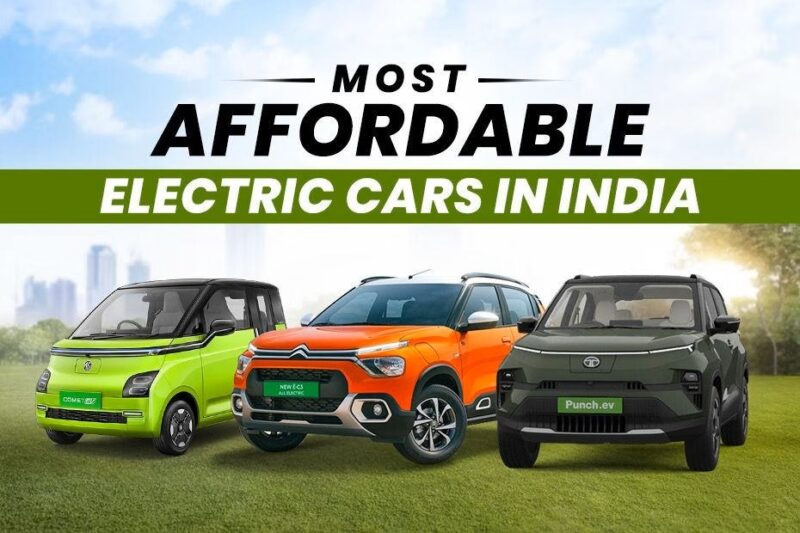
Electric cars are rapidly transforming the Indian automotive industry. As fuel prices continue to rise and environmental concerns become more prominent, many consumers are exploring electric vehicles (EVs) as a practical and sustainable alternative to traditional petrol and diesel cars.
Improved battery technology, expanding charging infrastructure, government incentives, and lower running costs have made electric cars increasingly attractive to Indian buyers. From affordable city commuters to premium electric SUVs, the Indian EV market now offers a wide range of options for different budgets and lifestyles.
What Are Electric Cars?
Electric cars are vehicles powered entirely or primarily by electric motors using energy stored in rechargeable batteries.
Unlike conventional internal combustion engine vehicles, electric cars do not require petrol or diesel to operate. Instead, they are charged using electricity through home chargers or public charging stations.
Electric vehicles produce zero tailpipe emissions, making them an environmentally friendly transportation option.
Why Are Electric Cars Becoming Popular in India?
Several factors are driving the growing adoption of electric cars across the country.
Rising Fuel Prices
Increasing petrol and diesel costs have encouraged consumers to consider alternatives that offer lower operating expenses.
Electric cars typically cost significantly less per kilometer to run compared to conventional vehicles.
Environmental Benefits
Electric vehicles help reduce greenhouse gas emissions and improve air quality by eliminating tailpipe pollution.
As sustainability becomes a greater priority, more consumers are choosing cleaner mobility solutions.
Government Support
The Indian government continues to promote electric mobility through various initiatives, incentives, and infrastructure development programs.
These measures aim to accelerate EV adoption and reduce dependence on fossil fuels.
Expanding Charging Infrastructure
Charging networks are growing steadily across major cities and highways, making electric vehicle ownership more convenient than ever before.
Key Benefits of Electric Cars
Lower Running Costs
One of the biggest advantages of electric vehicles is their low operating cost.
Electricity is generally more affordable than petrol or diesel, helping owners save money over time.
Reduced Maintenance
Electric vehicles have fewer moving parts compared to conventional cars.
Since there are no engine oil changes, fewer mechanical components, and simplified drivetrains, maintenance requirements are often lower.
Quiet and Smooth Driving Experience
Electric motors deliver instant torque and smooth acceleration, creating a refined driving experience.
The absence of engine noise also contributes to greater cabin comfort.
Eco-Friendly Transportation
Electric cars help reduce carbon emissions and support cleaner urban environments.
As renewable energy adoption increases, EVs become even more sustainable.
Popular Electric Car Segments in India
Affordable Electric Hatchbacks
Entry-level electric hatchbacks are ideal for city commuting and first-time EV buyers.
These vehicles offer:
- Lower purchase prices
- Compact dimensions
- Easy maneuverability
- Cost-effective ownership
Electric Sedans
Electric sedans provide a combination of efficiency, comfort, and performance for urban and highway driving.
Electric SUVs
Electric SUVs have become one of the fastest-growing segments.
Buyers appreciate their:
- Spacious interiors
- Higher seating position
- Longer driving range
- Advanced technology features
Luxury Electric Vehicles
Premium manufacturers are introducing luxury EVs with cutting-edge technology, superior performance, and advanced driver assistance systems.
Factors to Consider Before Buying an Electric Car
Driving Range
Range refers to the distance an EV can travel on a single charge.
Buyers should choose a vehicle that comfortably meets their daily driving requirements.
Charging Availability
Access to home charging or nearby public charging stations is an important consideration.
Evaluate charging infrastructure in your area before purchasing an EV.
Battery Warranty
Battery performance is a key aspect of EV ownership.
Most manufacturers provide extended battery warranties for added peace of mind.
Purchase Cost
While electric cars may have higher upfront prices, lower running and maintenance costs can offset the initial investment over time.
Service Network
Choose a manufacturer with a reliable service and support network to ensure a smooth ownership experience.
Challenges Facing Electric Car Adoption
Higher Initial Cost
Many electric vehicles still cost more than comparable petrol-powered models.
However, increasing competition and technological advancements are gradually reducing prices.
Charging Infrastructure Gaps
Although charging networks are expanding, some regions still have limited charging facilities.
Charging Time
Charging an EV takes longer than refueling a conventional vehicle.
Fast-charging technologies are helping address this challenge.
Consumer Awareness
Many potential buyers are still unfamiliar with EV ownership, charging processes, and long-term benefits.
Education and awareness will play a major role in future adoption.
The Future of Electric Cars in India
India’s electric vehicle market is expected to grow significantly over the coming years.
More Vehicle Choices
Manufacturers are launching new electric models across multiple price segments.
Improved Battery Technology
Advancements in battery technology are expected to increase range, reduce charging times, and lower costs.
Better Charging Infrastructure
Continued investments in charging networks will make EV ownership more practical and convenient.
Increased Consumer Adoption
As awareness grows and prices become more competitive, electric vehicles are likely to become a mainstream transportation choice.
Why Research Electric Cars on V3Cars?
V3Cars helps buyers evaluate electric vehicles through:
- EV comparisons
- Range analysis
- Price updates
- Variant-wise breakdowns
- Feature comparisons
- Buying guides
- Expert reviews
These resources help consumers understand electric vehicle ownership and select the right model based on their requirements.
Conclusion
Electric cars in India are reshaping the future of transportation by offering cleaner, more efficient, and cost-effective mobility solutions. With expanding charging infrastructure, improved battery technology, and increasing manufacturer investments, the EV market is entering an exciting phase of growth.
For buyers considering their next vehicle, electric cars provide an opportunity to reduce running costs, minimize environmental impact, and experience the latest automotive technologies. As adoption continues to accelerate, electric mobility is set to become an integral part of India’s automotive future.