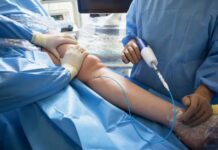


















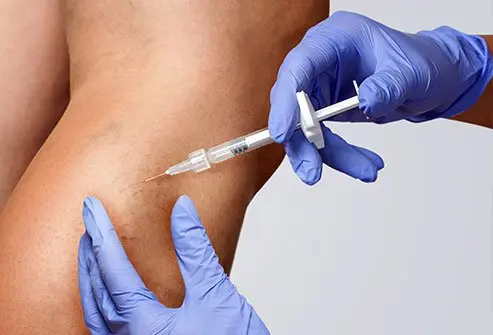
Peripheral vascular disease (PVD) is a condition that affects blood circulation outside the heart and brain, most commonly involving the arteries that supply blood to the legs. Peripheral Vascular Disease Treatment focuses on improving blood flow, relieving symptoms, preventing complications, and reducing the risk of serious cardiovascular problems. The appropriate treatment depends on the severity of the disease, the location of the blockage, and the patient’s overall health.
Early diagnosis and timely treatment can help people manage symptoms such as leg pain, cramping, numbness, and difficulty walking while reducing the risk of complications.
What Is Peripheral Vascular Disease?
Peripheral vascular disease occurs when blood vessels outside the heart and brain become narrowed, blocked, or damaged. Although the condition can affect arteries and veins, peripheral artery disease (PAD), which involves reduced blood flow through the arteries, is one of the most common forms.
Atherosclerosis is a major cause of peripheral artery disease. It occurs when fatty deposits, cholesterol, and other substances accumulate inside artery walls, restricting blood flow to the limbs.
People with PVD may experience leg pain while walking, cold feet, numbness, slow-healing wounds, skin discoloration, or reduced mobility. Some individuals may not experience noticeable symptoms during the early stages.
Common Treatment Approaches for Peripheral Vascular Disease
Treatment is usually based on the severity of circulation problems and whether the condition is affecting daily activities or causing complications.
1. Lifestyle Changes
Lifestyle modifications are often the first step in managing peripheral vascular disease, particularly when symptoms are mild or the disease is diagnosed early.
Regular physical activity can improve circulation and walking ability. Walking programs, supervised exercise, and gradually increasing physical activity may help patients improve their endurance and reduce symptoms associated with reduced blood flow.
Other important lifestyle measures include quitting smoking, maintaining a healthy weight, eating a balanced diet, managing blood pressure, and controlling cholesterol and blood sugar levels.
These changes can help slow disease progression and support overall cardiovascular health.
2. Medication Management
Medications may be prescribed to manage underlying risk factors and reduce the likelihood of cardiovascular complications.
Depending on the patient’s condition, treatment may include medications to lower cholesterol, control blood pressure, manage diabetes, prevent blood clots, or improve walking-related symptoms.
Medication does not always eliminate existing arterial blockages, but it can play an important role in reducing disease progression and improving long-term outcomes.
Patients should take medications as prescribed and avoid changing their treatment without consulting their healthcare provider.
3. Supervised Exercise Therapy
Supervised exercise therapy is an important treatment option for patients experiencing intermittent claudication, which refers to leg pain or cramping during walking that improves with rest.
A structured exercise program generally involves repeated walking sessions with periods of rest. Over time, this approach can improve walking distance, functional ability, and quality of life.
Exercise programs should be tailored to the patient’s health status and symptoms, particularly when severe circulation problems or other medical conditions are present.
4. Angioplasty and Stenting
When arterial narrowing significantly affects blood flow or causes persistent symptoms, minimally invasive procedures may be considered.
Angioplasty involves inserting a small balloon into the narrowed artery and inflating it to improve the passage of blood. In certain cases, a stent may be placed to help keep the artery open.
These procedures are performed through a catheter, usually inserted into a blood vessel, and may help restore circulation without requiring traditional open surgery.
The decision to perform angioplasty or stenting depends on the location, length, and severity of the blockage, as well as the patient’s symptoms and overall medical condition.
5. Peripheral Vascular Bypass Surgery
For certain patients with severe or complex arterial blockages, bypass surgery may be recommended.
During bypass surgery, a surgeon creates an alternative route for blood to flow around the blocked section of an artery. This may involve using a patient’s own blood vessel or a suitable synthetic graft.
Bypass surgery may be considered when less invasive treatments are unsuitable or when the disease is extensive and significantly compromises blood supply to the affected limb.
When Is Peripheral Vascular Disease Treatment Necessary?
Not every patient with peripheral vascular disease requires an invasive procedure. Some individuals can manage their condition with lifestyle changes, medications, and exercise.
However, medical evaluation is particularly important when symptoms become persistent, worsen over time, or interfere with everyday activities.
Warning signs that require prompt medical attention include severe leg pain at rest, wounds that do not heal, changes in skin color, unusual foot temperature, or sudden severe pain accompanied by numbness or weakness.
Sudden changes in limb circulation may represent a medical emergency and require immediate evaluation.
Why Early Diagnosis Matters
Early diagnosis can help identify arterial narrowing before significant complications develop. A vascular specialist may assess symptoms, examine pulses, measure blood pressure in the limbs, and recommend tests such as an ankle-brachial index or Doppler ultrasound.
Imaging tests may also help determine the location and severity of arterial blockages when further treatment planning is necessary.
Early intervention can help preserve mobility, improve quality of life, and reduce the risk of severe complications associated with inadequate blood supply.
Consulting a Vascular Specialist
Peripheral vascular disease requires an individualized treatment approach because the condition can vary significantly from one patient to another.
Dr Sumit Kapadia provides evaluation and management of vascular conditions, helping patients understand their circulation problems and available treatment options. A specialist assessment can determine whether lifestyle management, medication, exercise therapy, minimally invasive intervention, or surgery may be appropriate.
The goal of Peripheral Vascular Disease Treatment is not simply to address symptoms but also to improve circulation, protect limb health, and reduce future cardiovascular risks.
Conclusion
Peripheral vascular disease can affect mobility, daily comfort, and overall health when blood flow to the limbs becomes restricted. Treatment options range from lifestyle changes and medications to angioplasty, stenting, and bypass surgery, depending on the severity of the condition.
Recognizing symptoms early and seeking professional evaluation can make a meaningful difference in managing the disease. With the right treatment plan, many patients can improve their circulation, maintain mobility, and reduce the risk of complications.