




















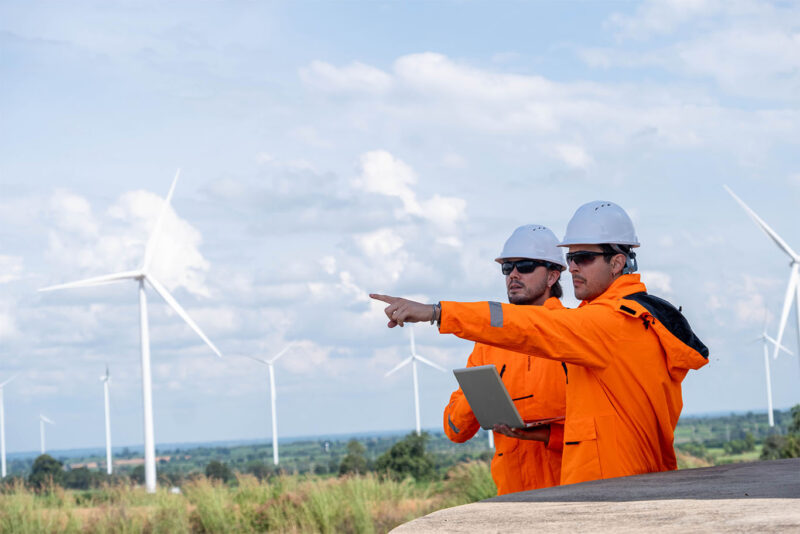
In the modern United States electricity grid, wind energy plays a crucial role, with unmatched benefits. It is the finest, most affordable, and cleanest energy offered by the top wind energy companies in Texas. However, wind energy civil construction services are important because they support the nation’s renewable energy sector. Professionals use these services to build and maintain wind farm infrastructure. Despite protection, it also involves preparing foundations, complex site preparation, accessing roads, and environmental considerations for proper and long-term outcomes.
Reasons You Need Wind Energy Civil Construction Services in the US
Here are the reasons that you require the proficient wind energy civil construction services in the US. Having an expert on your side makes the complete process easier and more efficient for your space. So, let’s know, why do you need these services:
- Infrastructure Development: For the construction of wind farms, you need to hire a professional for specialized civil work. Their work includes grading, assessing road creation, and foundation engineering to support large-scale turbines.
- Fastest Industry Growth: Like other renewable resources, wind energy is also a valuable source of energy. Besides, it is one of the rapidly growing electricity sources. Did you know that its project increased by 15% annually between 2012 and 2017.
- Net-Zero Goals Support: The environment is important, so preserving it is important too. Construction services are necessary to achieve the United States’ climate objectives. The experts help to install new capacity to meet growing, sustainable power needs.
- Regional Suitability: The United States’ landscapes are vast and diverse, shaped by region. That is why you need an expert service to adapt the construction to various landscapes, from the coastal wetlands, high mountains, and arid deserts.
- Longevity: When you hire professional civil construction, they ensure the wind farm projects go perfectly. From long-term outcomes to maintenance cost reduction, they take care of everything. Plus, it also increases operational reliability.
These professional services are crucial to managing the logistical challenges of developing wind power across the country. Plus, it allows us to provide clean energy to millions of households.
How does wind energy contribute to a reliable electricity grid?
The levels of Wind energy are rising in many regions worldwide. There is an enormous amount of wind energy that is being integrated into the electricity grid, and reliability is a key concern. Several countries generate electricity from wind because it’s a cost-effective option.
Did you know that wind energy makes up over 10 % of the United States’ total electricity generation? The U.S. has rapidly expanded wind power over the past few decades, growing from less than 1% in 1990 to more than 10% by 2022. Texas leads the whole United States in wind energy by a large margin.
Due to technological improvements, system operators can balance variable wind supply with demand. It involves the larger wind turbines, enhanced forecasting, increased digitalization, and better alignment of variable generation with flexible generation, such as hydropower or energy storage technologies. Up-to-date developments and technologies help accommodate the variability of renewable energy sources. Also, it enables high levels of integration without negative impacts on reliability. In fact, wind energy is demonstrating that it can offer a solution to ancillary services that system operators can use to maintain grid reliability every day and in the event of system imbalances or emergencies.
What Wind Energy Civil Construction Services Include
Wind energy projects rely on strong, precise, and well-planned civil construction to ensure long-term performance and structural stability. From site preparation to final reclamation, civil construction services form the backbone of successful wind farm development. These specialized services focus on creating safe, durable, and environmentally responsible infrastructure to support turbines and related facilities.
Road, Turbine Site, Solar Site, and Substation Construction: Access and infrastructure are critical for renewable energy projects. Civil construction teams design and build access roads capable of supporting heavy equipment used during turbine delivery and installation. Proper grading, compaction, and drainage systems ensure roads remain stable under extreme weather and continuous use.
Turbine pads and solar sites are constructed with precision to provide a level, reinforced base that supports large structures and heavy loads. Substation site construction is equally important, as substations manage the distribution of generated power. These areas require careful preparation, structural support, and strict adherence to engineering specifications to guarantee safety and efficiency.
Foundation Excavation, Construction, and Backfill: Wind turbines depend on strong foundations to withstand dynamic loads, high winds, and long-term operational stress. Civil crews perform accurate excavations in accordance with geotechnical reports and engineering designs. After excavation, reinforced concrete foundations are built to exact standards.
Backfilling follows foundation construction, using appropriate materials and compaction techniques to ensure soil stability and prevent settling. This stage is crucial for maintaining structural integrity and protecting underground components.
Rock Mesa and Foundation Preparation: In rocky or challenging terrain, advanced techniques such as hammering, drilling, blasting, and crushing are used to prepare turbine foundation sites. These methods allow crews to safely and efficiently modify hard ground conditions while meeting project timelines. Proper rock processing ensures a stable base and suitable materials for reuse in construction, reducing waste and improving sustainability.
Collection Line Right-of-Way and Reclamation: Collection lines carry power from turbines to substations. Establishing right-of-way corridors requires clearing, grading, trenching, and installing underground lines with minimal environmental disruption. After installation, land restoration becomes a priority. Reclamation work ensures that disturbed areas are returned as close as possible to their original condition.
SWPPP, Soil Stabilization, and Site Reclamation: Environmental responsibility is a key component of wind energy civil construction. Stormwater Pollution Prevention Plans (SWPPPs) are implemented to manage runoff and protect surrounding ecosystems. Soil stabilization methods, such as erosion control blankets and proper grading, prevent soil displacement and sediment loss.
Complete site reclamation includes recontouring the land, reseeding with native vegetation, and applying erosion-control measures. This ensures long-term land health and regulatory compliance while supporting sustainable project development.
Read Also: Mobile Concrete Mixers: A Guide to Choosing Your Own