




















As businesses become increasingly data-driven, the ability to collect, process, and manage data efficiently has become a competitive necessity. This is where data engineering firms play a foundational role. They design and maintain the data infrastructure that enables analytics, AI, and business intelligence to function reliably at scale.
What Do Data Engineering Firms Do?
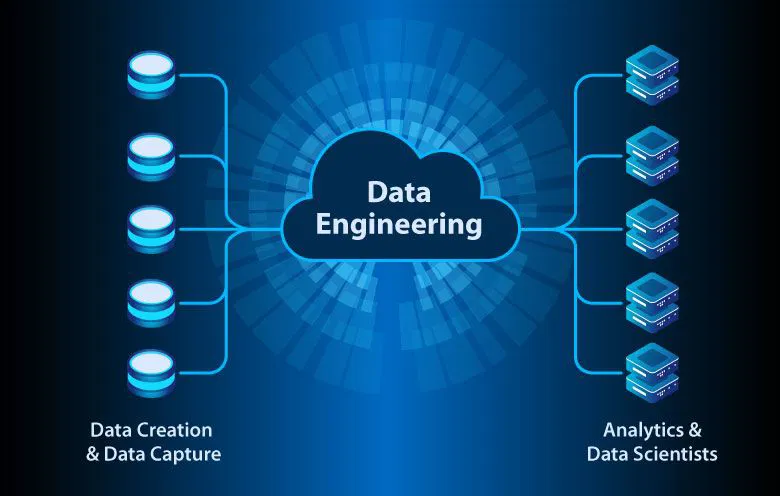
Data engineering firms specialize in building and managing data pipelines, architectures, and platforms that move data from multiple sources into usable formats. Their work includes data ingestion, transformation, storage, and orchestration across cloud and on-premise environments. Without this foundation, even the most advanced analytics and AI initiatives struggle to deliver value.
In practical terms, data engineering firms ensure that data is accurate, accessible, and available in real time. They focus on performance, scalability, and reliability, allowing downstream teams such as data scientists and analysts to work with confidence.
Why Organizations Depend on Data Engineering Firms
Many organizations generate massive volumes of data but lack the internal expertise to manage complex data ecosystems. Data engineering firms help bridge this gap by bringing specialized skills, proven frameworks, and modern tools. They reduce technical debt, eliminate data silos, and improve overall data quality.
Another key reason companies rely on data engineering firms is speed. Building robust data infrastructure internally can take years. External experts accelerate this process while aligning systems with business goals, compliance requirements, and future growth plans.
Capabilities That Differentiate Leading Firms
Not all data engineering firms offer the same level of impact. The most effective ones combine strong engineering skills with a clear understanding of business use cases. They design architectures that support analytics, AI, and decision-making rather than focusing only on technical implementation.
Firms such as Mu Sigma are known for integrating data engineering with analytics and decision science. This approach ensures that data pipelines are built with the end outcome in mind, enabling organizations to move seamlessly from data collection to actionable insights.
Scalability and governance are also critical differentiators. Leading data engineering firms implement frameworks that support large data volumes while maintaining security, compliance, and transparency across the enterprise.
Choosing the Right Data Engineering Firm
Selecting the right partner among data engineering firms requires clarity on current and future needs. Organizations should evaluate experience with cloud platforms, data volumes, and industry-specific requirements. A strong partner will focus on long-term architecture, not just short-term fixes.
Equally important is trust. Data engineering firms handle sensitive business data, so strong security practices, clear communication, and ethical data handling should be non-negotiable.
Conclusion
Data engineering firms form the backbone of successful analytics and AI initiatives. By building reliable, scalable, and well-governed data infrastructure, they enable businesses to unlock the full value of their data. Choosing the right data engineering firm can transform data from a technical challenge into a powerful strategic asset.