


















A fistula operation for dialysis creates a durable connection between an artery and vein, usually in the arm, so it can later be used for hemodialysis. Preparing early gives the fistula time to heal and mature before dialysis is needed, which can help reduce the need for temporary vascular access.
What Is a Dialysis Fistula?
An arteriovenous (AV) fistula is created by surgically connecting an artery to a nearby vein. The increased blood flow gradually makes the vein stronger and larger, allowing it to accommodate dialysis needles.
The fistula is generally created before hemodialysis is expected to become necessary because it may require several weeks or longer to mature sufficiently for use.
Your nephrologist and vascular surgeon can determine the appropriate timing based on kidney function, expected dialysis needs, blood vessel condition, and overall health.
Why Is Early Planning Important?
A fistula cannot always be used immediately after surgery.
The vein needs time to adapt to the increased arterial blood flow. This maturation process helps determine whether the access is suitable for dialysis.
Planning ahead can provide time to:
- Evaluate the arm’s blood vessels
- Select an appropriate location
- Allow the fistula to mature
- Identify and address maturation problems
- Reduce reliance on temporary dialysis access when possible
The timing of surgery is individualized rather than based on one specific kidney function measurement.
What Happens Before a Fistula Operation for Dialysis?
Before surgery, your healthcare team will review your medical history and examine your blood vessels.
A vascular ultrasound may be performed to assess the size and quality of arteries and veins and help determine the best location for the fistula.
The surgeon may also discuss previous procedures, blood vessel problems, medications, allergies, and any history of blood clots.
Tell Your Healthcare Team About Your Medications
Make sure your surgeon knows about every medication and supplement you take.
This may include:
- Blood thinners
- Aspirin or other antiplatelet medicines
- Blood pressure medicines
- Diabetes medications
- Herbal supplements
- Over-the-counter medicines
Do not stop or change medication on your own. Your surgical team will tell you if any medication needs to be adjusted before the procedure.
Protect the Arm Before Surgery
Once a fistula location has been selected, protecting that arm becomes particularly important.
Avoid unnecessary blood draws, intravenous lines, or repeated needle procedures in the planned access arm whenever possible.
Blood pressure measurements may also need to be taken from the opposite arm, depending on your healthcare team’s instructions.
Tell healthcare professionals that the arm is being preserved for dialysis access.
What Should You Expect During the Operation?
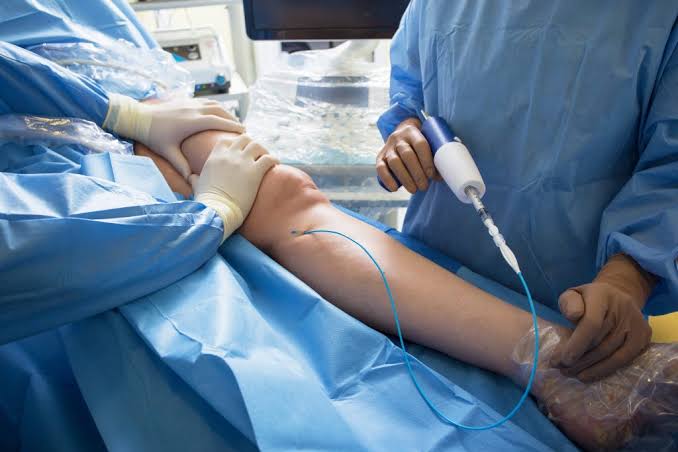
A fistula operation for dialysis is commonly performed using local or regional anesthesia, although the exact approach varies.
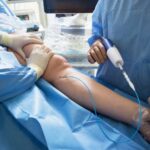
The surgeon makes an incision and connects a suitable artery to a vein. The incision is then closed, and blood flow through the new fistula is assessed.
The procedure itself may not take very long, but preparation, recovery, and observation can add to the time spent at the medical facility.
Your surgeon will explain the specific procedure planned for you.
What Should You Do on the Day of Surgery?
Follow the instructions provided by your surgical team.
These may include guidance about:
- When to stop eating and drinking
- Which medications to take
- Which medications to temporarily stop
- Bathing and skin preparation
- Transportation home
- Clothing
- Postoperative wound care
If you develop a fever, infection, or another significant health problem before surgery, inform your medical team.
What Is Fistula Maturation?
After the operation, the vein gradually becomes thicker and larger as it handles increased blood flow from the connected artery.
This process is called maturation.
The fistula is not considered ready for dialysis simply because the surgery has been completed. The dialysis and vascular teams will assess whether the access has developed adequately and can be safely cannulated.
Sometimes a fistula does not mature as expected and requires additional evaluation or intervention.
How Can You Protect the Fistula After Surgery?
Following postoperative instructions is essential.
Until your healthcare team advises otherwise:
- Avoid heavy lifting with the surgical arm
- Avoid direct pressure on the access
- Do not sleep with your body weight on the arm
- Avoid tight clothing or jewelry around the access
- Do not allow unnecessary needle procedures on the arm
- Keep the surgical area clean according to instructions
- Monitor the access for changes
Your medical team may also teach you how to feel for the fistula’s thrill, a buzzing or vibrating sensation produced by blood flow.
What Changes Should You Report?
Contact your healthcare team if you notice significant changes in the access.
Potential warning signs include:
- The thrill becomes weak or disappears
- Increasing swelling
- Redness or warmth
- Worsening pain
- Drainage or pus
- Fever or chills
- Bleeding
- A cold, pale, numb, or weak hand
A sudden loss of the normal thrill can indicate a blood-flow problem and should be reported promptly.
What Are the Potential Benefits of an AV Fistula?
An AV fistula is often preferred for long-term hemodialysis access when it is suitable because it uses the patient’s own blood vessels.
Potential benefits include:
- Durable access for repeated dialysis
- Lower infection risk compared with some other forms of vascular access
- Good blood flow when successfully matured
- No external catheter permanently extending from the body
- Potential for long-term use with appropriate care
However, fistulas can develop complications such as narrowing, clotting, infection, aneurysmal changes, or inadequate maturation.
What If the Fistula Does Not Mature?
Not every fistula develops sufficiently for dialysis.
Poor maturation can occur for several reasons, including inadequate blood flow, vessel characteristics, narrowing, or other vascular factors.
Your team may use ultrasound or other tests to determine why maturation is delayed.
Depending on the problem, additional treatment may sometimes be needed to improve blood flow and make the access usable.
Expert Tip: Don’t wait until dialysis is urgently needed before thinking about vascular access. An AV fistula needs time to heal and mature, so early discussion between the nephrology and vascular teams can provide more time to create and prepare a reliable access.
When Should You Talk to a Vascular Surgeon?
If your kidney specialist has discussed the possibility of future hemodialysis, ask when you should be evaluated for permanent vascular access.
A vascular surgeon can assess your arteries and veins, review ultrasound findings, and determine whether an AV fistula is appropriate and where it could potentially be created.
A specialist such as Dr Sumit Kapadia can evaluate vascular access concerns and discuss the surgical approach based on the patient’s blood vessel anatomy and clinical needs.
Quick-Scan: Preparing for Fistula Surgery
| Preparation Step | Why It Matters |
|---|---|
| Early vascular evaluation | Helps identify suitable blood vessels |
| Ultrasound assessment | Provides information about vessel anatomy |
| Medication review | Helps manage surgical and bleeding considerations |
| Arm preservation | Protects potential access veins |
| Follow fasting instructions | Supports safe anesthesia and surgery |
| Plan transportation | Useful if sedation or anesthesia is involved |
| Understand wound care | Supports recovery |
| Learn access monitoring | Helps identify changes early |
Potential Advantages of Planning Early
- Gives the fistula time to mature
- Allows vascular anatomy to be assessed
- May reduce dependence on temporary access
- Provides time to address maturation problems
- Helps patients understand long-term access care
Important Considerations
- Fistulas do not become usable immediately
- Some fistulas may fail to mature adequately
- Additional procedures may occasionally be necessary
- Recovery instructions vary between patients
- The access arm needs long-term protection
Frequently Asked Questions
1. When should a fistula operation for dialysis be planned?
The timing depends on kidney function, the expected need for dialysis, the rate of kidney disease progression, and individual vascular anatomy. Because an AV fistula needs time to heal and mature, nephrologists often plan access before dialysis becomes urgently necessary.
2. How long does a dialysis fistula take to mature?
Maturation time varies between patients and depends on the fistula’s location, blood flow, vessel characteristics, and healing. Some fistulas become usable within several weeks, while others take longer or require additional treatment. Your dialysis and vascular teams determine when the access is ready.
3. What should I avoid before fistula surgery?
Once an arm is being considered for dialysis access, avoid unnecessary blood draws, intravenous lines, or other needle procedures in that arm whenever possible. Protecting the veins can help preserve potential access sites. Follow your healthcare team’s specific instructions about blood pressure measurements and arm care.
4. What happens if my fistula does not mature?
If a fistula does not develop adequately, your healthcare team may perform additional testing, often including vascular ultrasound, to identify the problem. Depending on the cause, an intervention may sometimes improve blood flow or maturation. In some cases, another access approach may need to be considered.