


















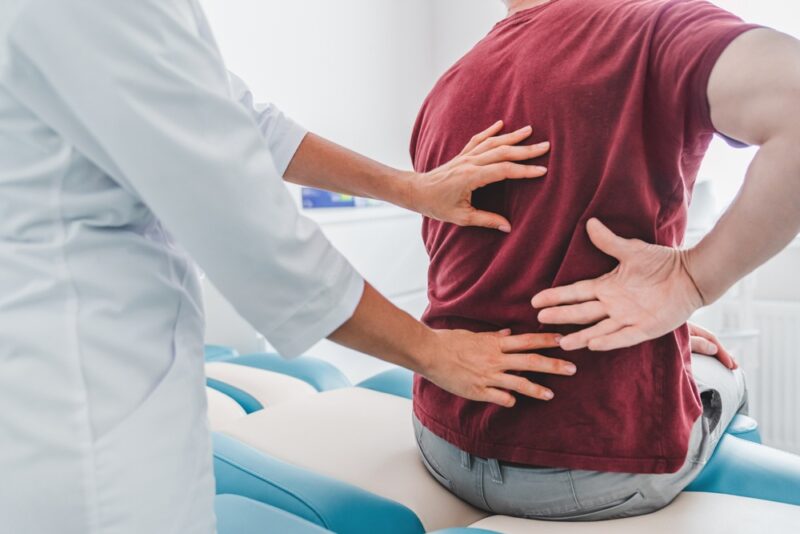
Back pain is one of the most common musculoskeletal complaints affecting working professionals, homemakers, athletes, and senior citizens alike. In busy urban neighborhoods like Indiranagar, long desk hours, traffic stress, sedentary habits, and improper lifting techniques contribute heavily to spinal discomfort. What often starts as mild lower back stiffness can gradually develop into chronic pain, sciatica, or mobility limitations if not treated properly.
A specialized back pain clinic focuses on identifying the root cause of pain and delivering structured, non-surgical spine care designed for long-term relief rather than temporary suppression of symptoms.
Understanding the Real Causes of Back Pain
Back pain is not a single condition. It may originate from muscle strain, ligament injury, disc bulge, spinal degeneration, poor posture, or nerve compression. Lumbar spondylosis and herniated discs are common among individuals who sit for prolonged periods without ergonomic support.
Sudden lifting of heavy objects, gym-related injuries, or improper bending can strain spinal structures. Over time, repeated mechanical stress leads to inflammation and reduced flexibility. Accurate diagnosis is essential because muscular back pain and disc-related nerve compression require different treatment approaches.
Advanced Diagnosis for Targeted Treatment
A reputable back pain clinic begins with a detailed clinical assessment. Spine specialists evaluate posture, spinal alignment, range of motion, muscle strength, and nerve function. In cases involving radiating leg pain, numbness, or weakness, imaging tests such as X-rays or MRI scans may be recommended.
This structured evaluation ensures that treatment plans are individualized. Treating all back pain with generic exercises or painkillers often delays recovery and increases the risk of recurrence.
Non-Surgical Spine Care Solutions
Most back pain cases can be managed without surgery when treated early and correctly.
Physiotherapy and Manual Therapy
Targeted physiotherapy strengthens core muscles, improves spinal stability, and restores flexibility. Manual therapy techniques reduce joint stiffness and improve circulation around affected tissues. A well-designed rehabilitation program focuses on correcting muscular imbalances rather than only reducing pain.
Spinal Traction Therapy
For disc bulge or sciatica, controlled spinal traction reduces pressure on affected nerves. This therapy can significantly relieve radiating pain and improve mobility when performed under professional supervision.
Advanced Pain Management Modalities
Modern clinics use ultrasound therapy, laser therapy, TENS, and shockwave therapy to accelerate tissue healing and control inflammation. These modalities support the rehabilitation process and enhance recovery speed.
Posture and Ergonomic Correction
In Indiranagar’s corporate and startup environment, prolonged sitting is a major contributor to lower back pain. Proper workstation setup, lumbar support, and regular movement breaks are critical preventive measures. Without ergonomic correction, pain often returns even after successful therapy.
Conditions Commonly Treated
Back pain clinics typically manage lumbar spondylosis, slipped disc, sciatica, muscle strain, spinal stenosis, and post-injury rehabilitation. Early intervention significantly reduces the chances of chronic disability.
Patients who experience persistent pain for more than a few days, radiating leg discomfort, or numbness should seek professional evaluation instead of self-medicating.
When is Surgery Necessary?
Surgical intervention is considered only in severe cases involving progressive nerve damage, loss of bladder control, or failure of conservative management over an extended period. The majority of back pain patients recover effectively through structured non-surgical spine care.
Final Thoughts
A specialized back pain clinic in Indiranagar offers expert spine evaluation, personalized therapy plans, and advanced non-surgical treatment options aimed at lasting relief. Instead of relying solely on painkillers, addressing the root cause through evidence-based rehabilitation restores mobility, strengthens the spine, and improves overall quality of life.
Early diagnosis combined with consistent therapy remains the most reliable path toward sustainable back pain relief and long-term spinal health.